How to use Curve Finance step by step
This walkthrough shows exactly how to use Curve Finance in practice: connecting a wallet, making your first swap, providing liquidity, staking the LP token in a gauge, claiming CRV rewards, locking veCRV and borrowing crvUSD — plus the fees, networks and mistakes to watch for.
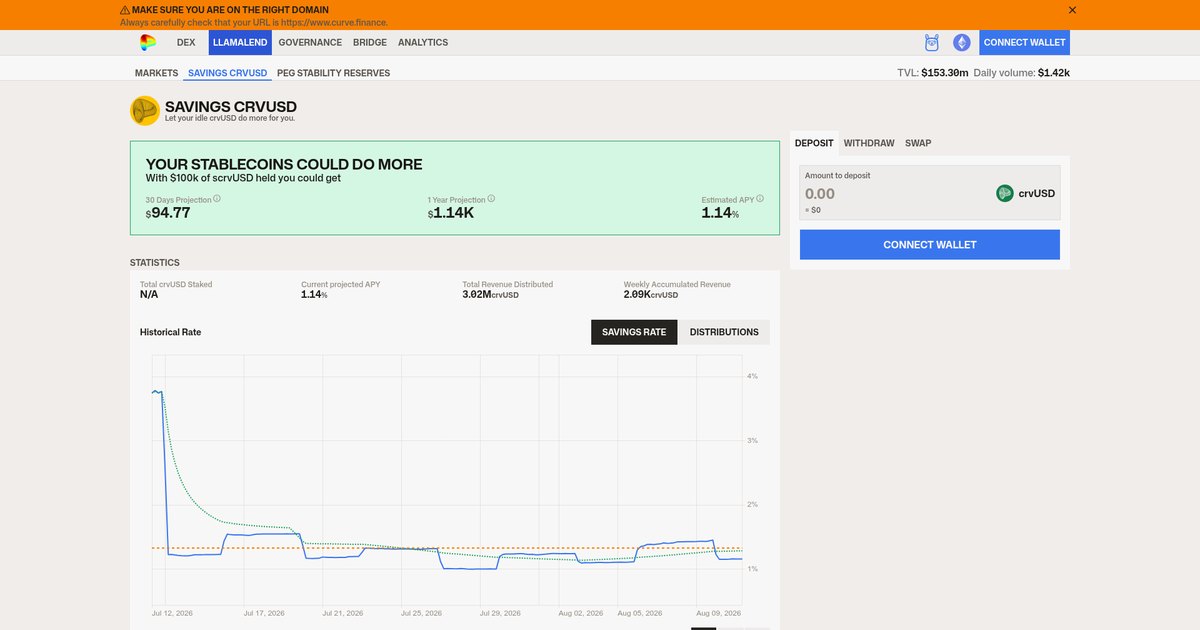
Step 1: connect a wallet
Open the Curve app and choose Connect wallet. MetaMask, Rabby, Rainbow, Trust Wallet and any WalletConnect-compatible wallet work. Always reach the app through a bookmark you saved yourself — phishing clones of DeFi front-ends are the most common way users lose funds.
Then pick the network in the top-right selector: Ethereum, Arbitrum, Optimism, Base, Polygon and several others are supported. Ethereum has the deepest liquidity, while layer-2 networks are far cheaper for small amounts, so match the network to your position size.
Step 2: swap stablecoins
Go to the Swap tab, select the token you are paying with and the one you want, then enter an amount. The interface shows the expected rate, the price impact and the route — the router may hop through several pools when that produces a better price.
Check the slippage tolerance before confirming: 0.1% is usually enough for stablecoin trades. Approve the token if this is your first time using it, then confirm the swap. Approval and swap are two separate transactions, so keep enough gas in the wallet for both.
Step 3: add liquidity to a pool
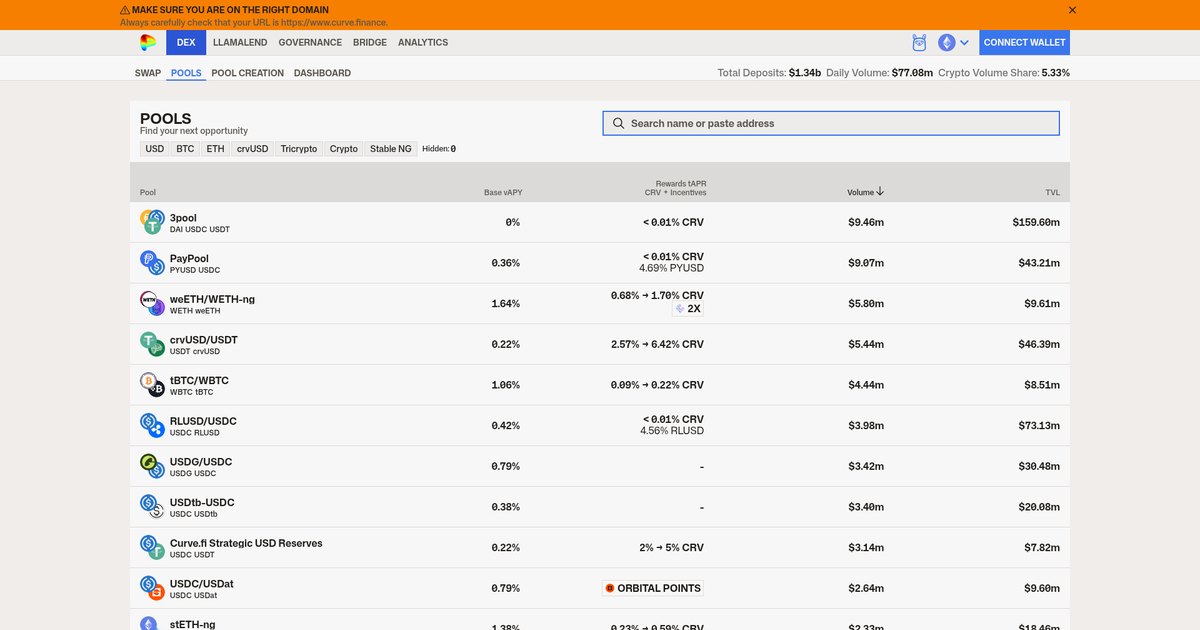
Open the Pools tab and filter by the assets you hold. Look at TVL, daily volume, the fee tier and the current balance of the pool — a pool that is heavily skewed toward one asset is a warning sign, not a bargain.
Deposit one asset or several. Adding the scarce side of an imbalanced pool earns a small bonus, adding the abundant side pays a small penalty. After confirming, you receive an LP token that represents your share of the reserves and accrues trading fees automatically.
Step 4: stake the LP token and claim CRV
Holding the LP token only earns trading fees. To also earn CRV emissions you must stake it in the pool's gauge — this is the step most beginners miss, and it is why some users report earning nothing after depositing.
Rewards accrue continuously and can be claimed from the dashboard at any time. On Ethereum, claim in batches so gas does not eat the reward; on layer-2 networks claiming frequently is cheap.
Step 5: lock CRV as veCRV
Locking CRV for one week to four years mints veCRV. veCRV boosts your own LP rewards by up to 2.5x, gives you a share of protocol fees and lets you vote weekly on gauge weights.
The lock cannot be undone before it expires, so only lock CRV you are willing to leave untouched. Smaller providers often prefer depositing through an aggregator that already holds veCRV instead of locking directly.
Step 6: borrow crvUSD (optional)
In the crvUSD section you can deposit collateral such as ETH or an LST and mint crvUSD against it. Choose the number of price bands: more bands means smoother soft liquidation, fewer bands means a higher borrow limit.
LLAMMA converts collateral gradually as the price falls rather than liquidating everything at once, but volatile markets still cost you through repeated band crossings. Keep a comfortable buffer above the soft-liquidation range and monitor the position.
Fees, costs and common mistakes
Costs are the swap fee (a few basis points on stable pools), network gas and, for LPs, the risk of a depeg. Advertised APRs assume today's volume and emissions continue, so treat them as a snapshot rather than a promise.
The frequent mistakes: not staking the LP token in the gauge, using the wrong network, approving unlimited spending to an unknown contract, chasing a very high APR on an unknown asset, and reaching the app through a search advert instead of a saved bookmark.
Frequently asked questions
Do I need CRV to use Curve Finance?
No. Swapping and providing liquidity only require the pool assets plus gas. CRV is optional and matters when you want boosted rewards, fee share or governance power through veCRV.
What is the minimum amount to start using Curve?
There is no protocol minimum — the practical limit is gas. On Ethereum a few hundred dollars is a sensible floor, while on Arbitrum, Optimism or Base you can start with much less.
Why am I not receiving CRV rewards?
Almost always because the LP token was never staked in the pool's gauge, or because the pool has no gauge and therefore no emissions at all.
Can I withdraw my liquidity at any time?
Yes. Unstake the LP token from the gauge and withdraw, either proportionally in all pool assets or in a single asset while accepting the price impact.
Latest updates
Real Curve Finance interface screenshots on every page
Illustrations were replaced with screenshots of the live Curve app — the pools list, the swap screen, the gauge dashboard, DAO proposals, veCRV locking and crvUSD savings — and each one now carries descriptive alt text and social preview images.
New step-by-step guide: how to use Curve Finance
A full walkthrough was added: connecting a wallet, swapping stablecoins, adding liquidity, staking LP tokens in a gauge, claiming CRV and locking veCRV, plus the mistakes that cost beginners the most.
Popular searches answered on this page
How do I use Curve Finance to swap stablecoins?
Connect a wallet on the official Curve app, pick a pool that holds both assets, and confirm the trade; the router can hop through several curve liquidity pools to find the best rate. Fees are typically a few basis points and are paid to liquidity providers and veCRV holders.
How to use Curve Finance →Related reading
Guides
What is Curve Finance?
A clear introduction to Curve Finance: the stableswap AMM, who uses it, what problem it solves and how it differs from Uniswap.
Read more →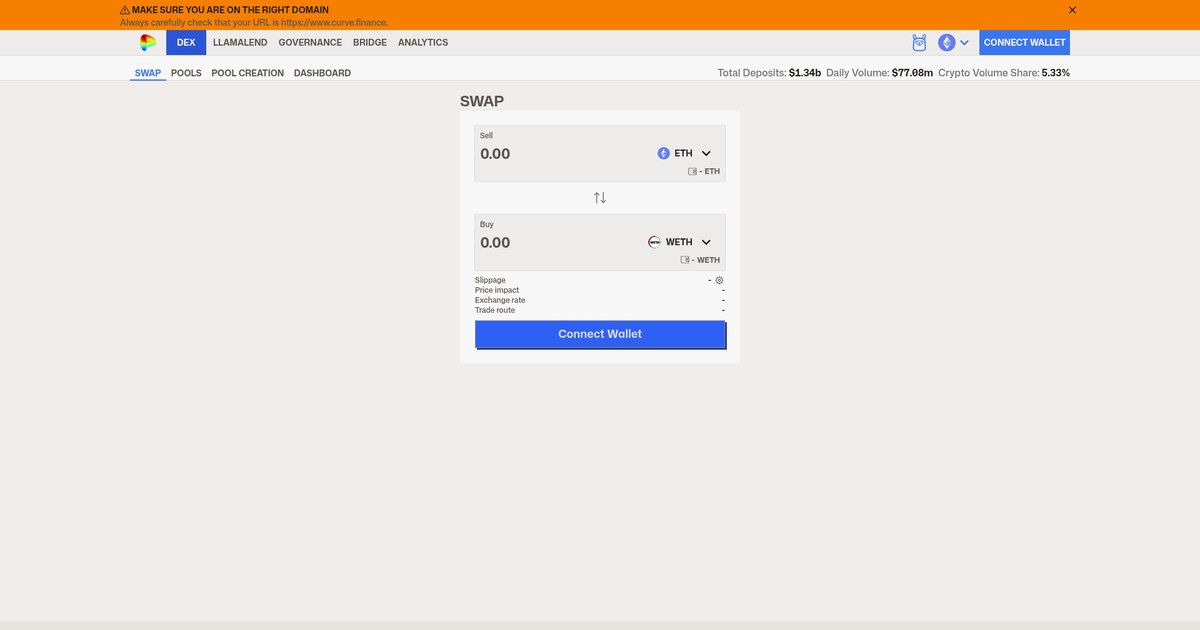
Guides
Curve pools and swaps
How Curve liquidity pools work: pool types, swap fees, slippage, LP tokens, depositing and withdrawing, and how to read pool balance.
Read more →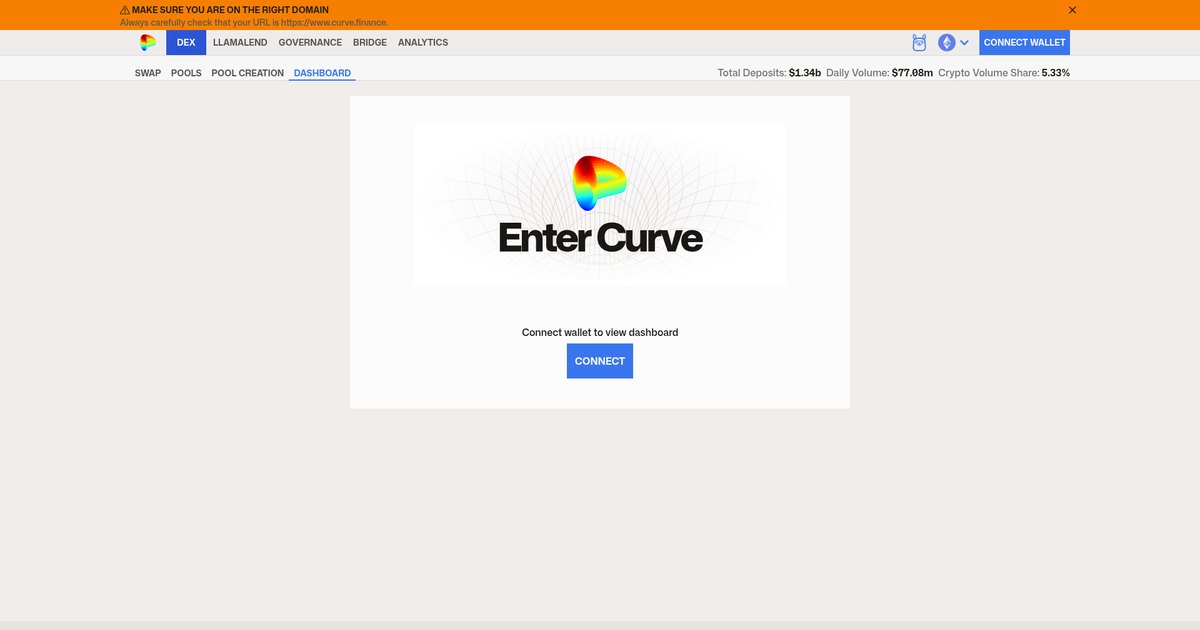
Guides
crvUSD and borrowing on Curve
How crvUSD works: overcollateralised minting, the LLAMMA soft-liquidation engine, borrow rates, the peg keeper and Curve lending markets.
Read more →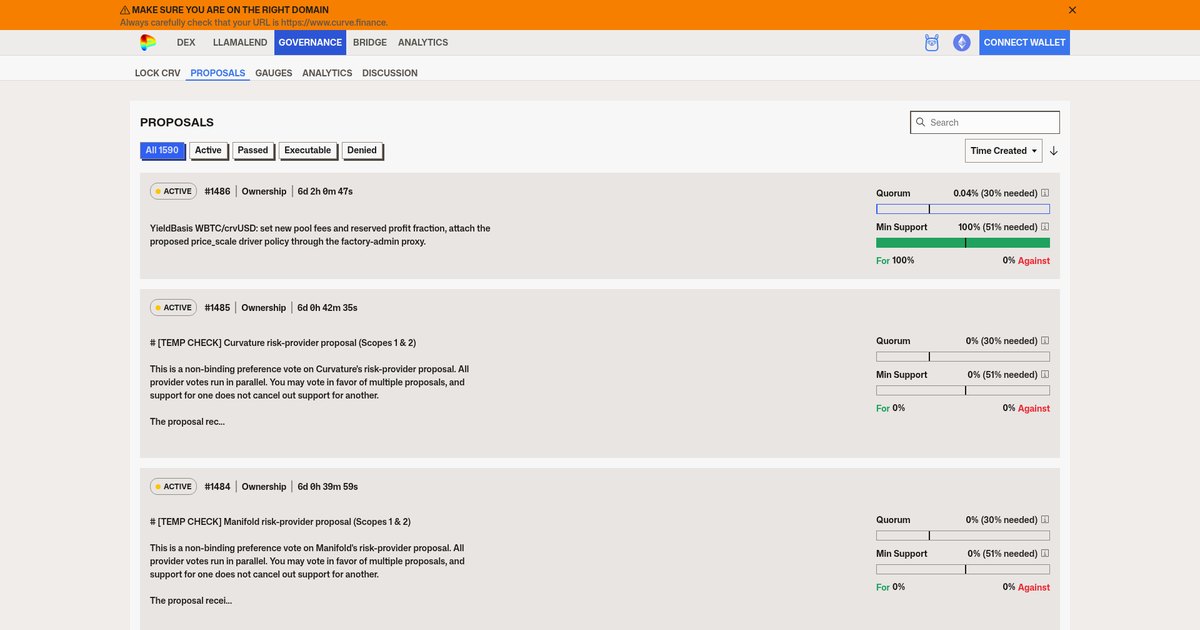
Guides
CRV tokenomics and veCRV
CRV supply and emissions, how vote-escrowed veCRV works, boost calculation, gauge weight voting and the vote incentive market.
Read more →Articles
How the Curve AMM actually works
A step-by-step explanation of the Curve stableswap invariant, the amplification parameter A, price impact and how cryptoswap extends it to volatile assets.
Read more →Articles
How to evaluate a stablecoin liquidity pool
A practical checklist for judging a Curve stablecoin pool: asset quality, pool balance, amplification, volume-to-TVL ratio and reward sustainability.
Read more →